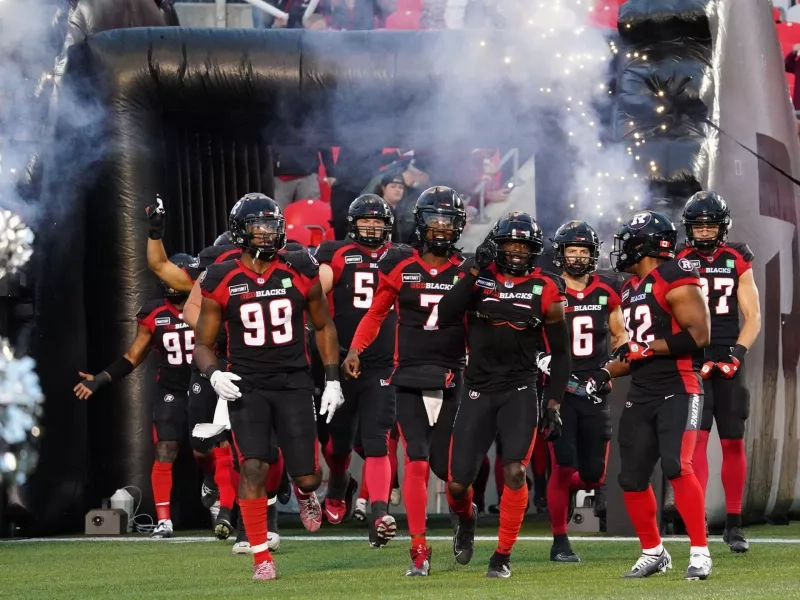
Brazil has introduced a sweeping ban on fixed-odds betting that also puts an end to sponsorship and marketing agreements between betting operators and football clubs.
The measure, adopted by the federal government on September 25, 2026, prohibits the operation, offering, intermediation and advertising of fixed-odds betting across Brazil. The restrictions apply to both sports betting and online casino games and also cover operators based outside the country when they target customers in Brazil.
As a result, betting companies can no longer use sponsorship deals, advertising campaigns or other marketing activities to promote their brands to Brazilian audiences.
Brazil Prohibits Betting Sponsorships Across All Media
Article 16 of Provisional Measure 1,394/2026 explicitly prohibits communication, advertising, marketing and sponsorship activities related to fixed-odds betting.
The restriction applies regardless of whether the activity takes place through physical or digital channels. It covers content designed to offer, promote, publicize or facilitate access to betting services when it is directed at the Brazilian public.
Existing advertising materials and sponsorship signs must also be removed within 10 days of the publication of the provisional measure.
This directly affects football clubs that have relied heavily on betting operators as shirt sponsors and commercial partners.
Football Clubs Face a Major Revenue Shock
Betting companies became an important source of commercial income for Brazilian football during the country’s regulated betting boom.
According to Sports Value data cited by Brazilian media, betting companies spent approximately R$1.143 billion on sponsorships involving Brazil’s 20 highest-revenue football clubs in 2025.
Reuters reported that betting sponsorships generated around R$1 billion in advertising revenue for Brazilian clubs in 2025, representing approximately 10% of the recurring income of some teams.
The new restrictions therefore create a significant financial challenge for clubs, particularly those whose commercial strategies had become dependent on betting operators.
Betting Sponsorship Spending in Brazil
| Indicator | Figure |
|---|---|
| Betting sponsorships involving top 20 clubs in 2025 | R$1.143 billion |
| Betting-related advertising revenue reported for clubs | Around R$1 billion |
| Deadline for removal of sponsorship materials | 10 days |
| Betting platforms become unavailable | October 6, 2026 |
The exact financial impact will vary between clubs depending on their individual sponsorship agreements and other commercial revenue streams.
Major Sponsorship Deals Are Now at Risk
Brazilian football clubs had entered the 2026 season with a large number of betting companies occupying prominent positions across shirts, stadium advertising and other commercial assets.
The government ban has already triggered discussions about whether existing agreements should be suspended, terminated or replaced.
Some operators have moved to end sponsorship contracts, while others have reportedly considered suspending agreements while waiting for greater clarity about the future of the government’s measure.
The situation creates uncertainty for both sides. Clubs face the loss of guaranteed commercial income, while operators must determine how existing contractual obligations interact with the new legal restrictions.
Why Did Brazil Ban Betting Sponsorships?
The sponsorship ban is part of a much broader government crackdown on fixed-odds betting.
The provisional measure prohibits the operation and promotion of fixed-odds betting and extends the restrictions to online games. The government has cited concerns surrounding household indebtedness and the social impact of gambling as part of the justification for the policy.
President Luiz Inácio Lula da Silva has also commented specifically on the relationship between football and betting sponsorships.
According to Agência Brasil, Lula argued that Brazilian football had historically operated without betting sponsors and questioned the extent to which clubs should rely on betting companies for their budgets.
The government’s position contrasts with that of football organisations, which have warned that the sudden loss of sponsorship revenue could put significant financial pressure on clubs.
What Happens to Betting Operators in Brazil?
The sponsorship restrictions are only one part of the new framework.
Under the provisional measure, fixed-odds betting is prohibited throughout Brazil, including services offered by companies based abroad to people located in the country. State and Federal District authorisations for fixed-odds betting are also subject to termination under the measure.
The government has established a transition period for existing operators and customers.
According to Brazil’s Ministry of Finance, new funds can no longer be deposited into betting accounts. Players have until October 5, 2026, at 11:59 p.m. to voluntarily withdraw their available balances. Betting websites and applications are scheduled to become unavailable from October 6.
Remaining balances will then be returned through the financial institutions involved in processing payments, with the main refund period scheduled for October 9–14.
Brazilian Football Looks for Alternative Sponsors
The immediate challenge for clubs is finding alternative sources of commercial revenue.
Football teams will potentially need to replace betting companies with sponsors from sectors that are not affected by the new restrictions. This could include financial services, technology, consumer brands, telecommunications and other industries.
The transition will not necessarily be straightforward.
Betting operators became attractive sponsors because of their ability to invest heavily in sports marketing and their close connection with football audiences. Replacing those deals could therefore require clubs to accept different commercial terms or restructure their sponsorship portfolios.
Brazilian football organisations have already started discussions with government representatives about the financial consequences of the ban and possible alternatives.
The Future of Brazil’s Betting Market Remains Uncertain
Although the provisional measure is already in force, it still faces the legislative process.
Brazil’s Chamber of Deputies has noted that the measure must be approved by both the Chamber and the Senate to become permanent legislation.
The betting industry has also challenged the government’s action in Brazil’s Supreme Federal Court. Football clubs and industry associations have argued that the restrictions could cause substantial economic damage.
This leaves the future of Brazil’s betting market uncertain.
For now, however, the practical consequences are clear: betting operators cannot use sponsorships and marketing campaigns to promote fixed-odds betting in Brazil, while football clubs must prepare for the loss of a major source of commercial revenue.
The development marks a sharp reversal for a market that only recently introduced a nationwide regulatory framework for licensed betting operators. The Brazilian government had previously required operators to obtain authorisation from the Secretariat of Prizes and Betting, with the regulated market operating nationally from January 2025.
Whether the new restrictions become a permanent feature of Brazil’s gambling market will depend on the next stages of the legislative and judicial processes.